
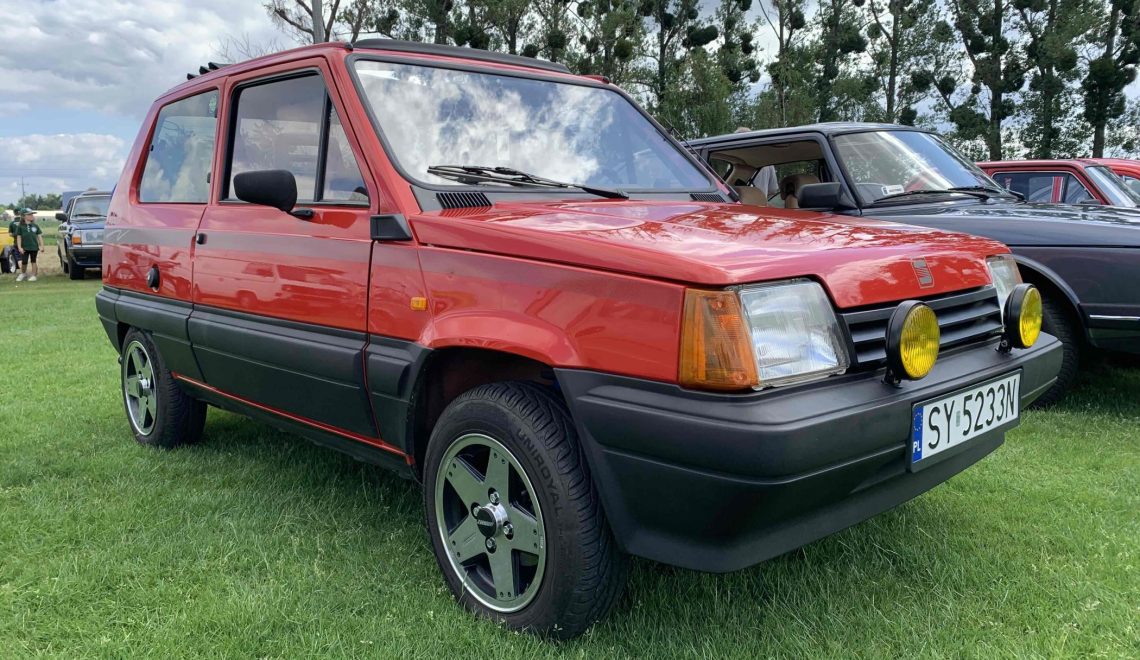
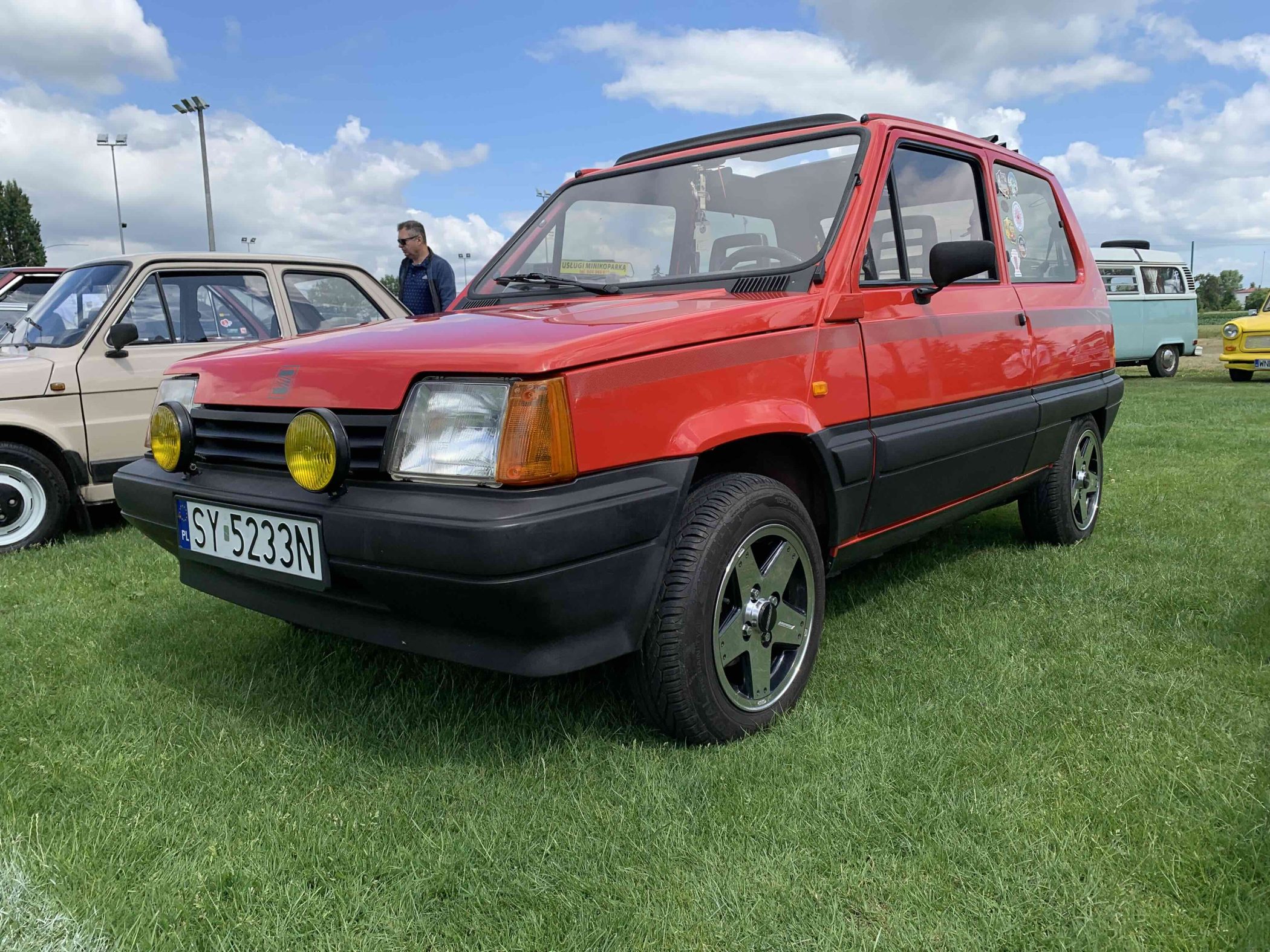
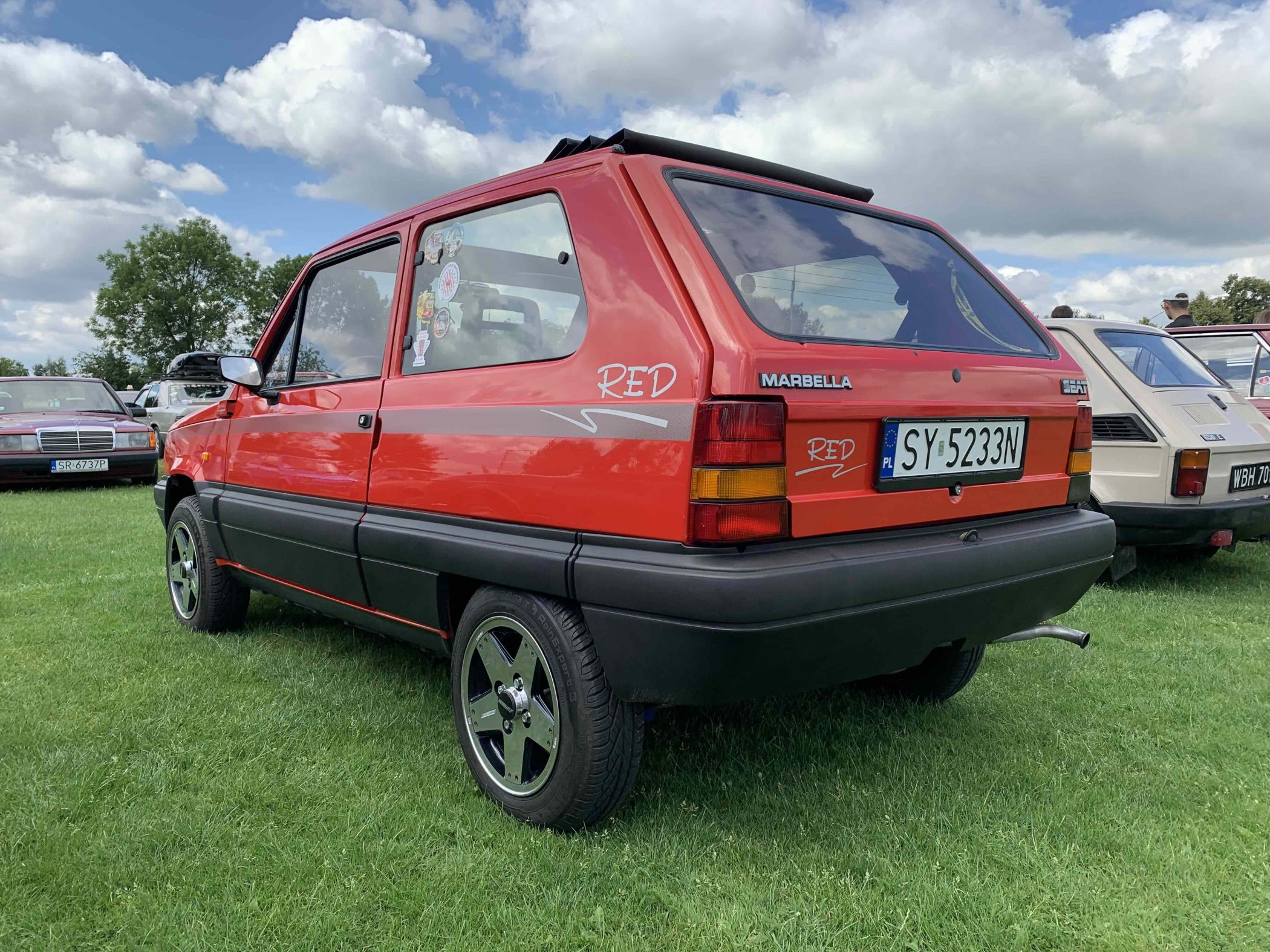
SEAT Marbella – co to za samochód? SEAT Marbella to niewielki samochód miejski produkowany w Hiszpanii w latach 1986–1998 przez SEATa. Model ten był bezpośrednim następcą SEATa Panda, który z kolei bazował na konstrukcji Fiata Pandy.

Marbella powstała w okresie przejściowym – po zakończeniu współpracy SEAT-a z Fiatem, ale jeszcze przed pełnym wejściem pod skrzydła Volkswagen Group. To właśnie dlatego auto łączy w sobie włoską prostotę z hiszpańską produkcją.
Historia modelu SEAT Marbella
Produkcja Marbelli rozpoczęła się w 1986 roku jako modernizacja starej Pandy. Zmiany były głównie kosmetyczne:
-
przeprojektowany przód i wnętrze
-
nowe oznaczenia
-
drobne poprawki techniczne
Auto produkowano aż do 1998 roku, co czyni je jednym z najdłużej produkowanych modeli bazujących na konstrukcji z lat 70.
Warto wspomnieć, że równolegle powstawała wersja użytkowa:
-
SEAT Terra – mały samochód dostawczy oparty na Marbelli
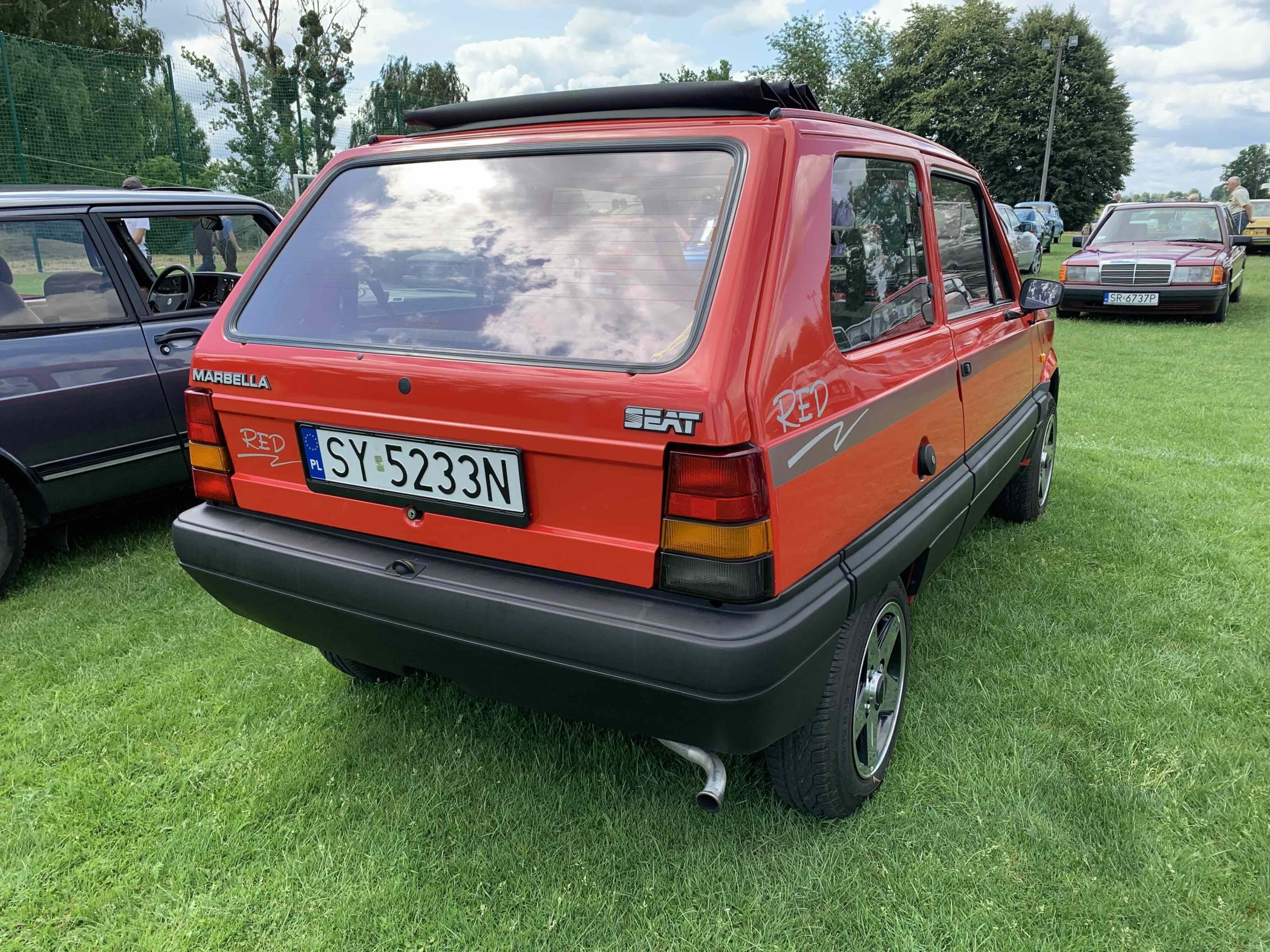
Dane techniczne SEAT Marbella
Choć auto było bardzo proste, oferowało wystarczające parametry do jazdy miejskiej.
Silniki:
-
0.8 benzyna – ok. 34 KM
-
0.9 benzyna – ok. 40 KM
-
1.3 benzyna – do 48 KM
Podstawowe dane:
-
napęd: na przednie koła
-
skrzynia: manualna 4- lub 5-biegowa
-
masa własna: ok. 680–750 kg
-
prędkość maksymalna: ~130–140 km/h
-
przyspieszenie 0–100 km/h: ok. 20–25 s
-
spalanie: ok. 5–7 l/100 km
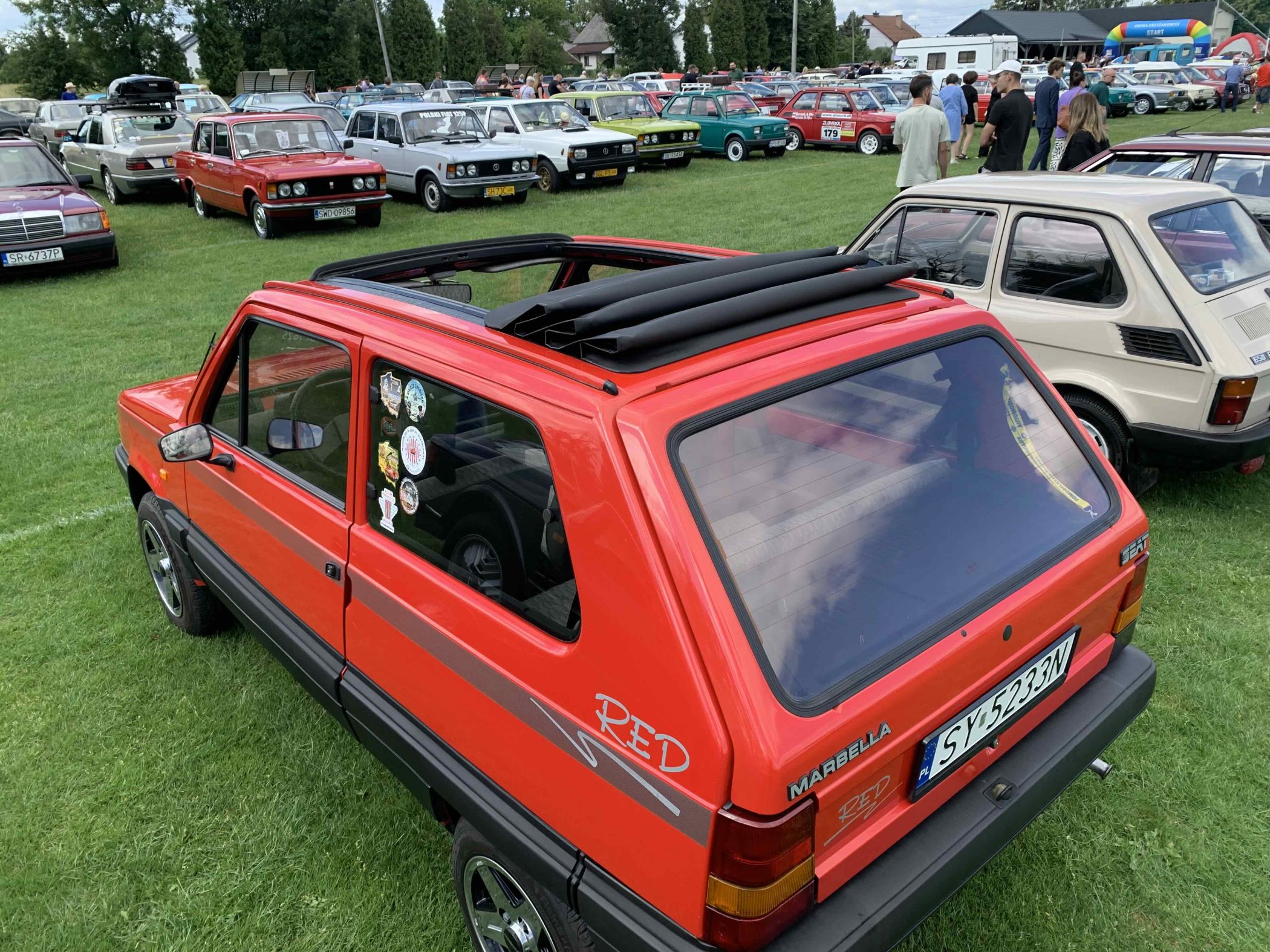
Ciekawostki o SEAT Marbella
-
To jeden z ostatnich samochodów SEAT-a wywodzących się bezpośrednio z konstrukcji Fiata
-
Produkowany był równolegle z nowocześniejszymi modelami, jak SEAT Ibiza
-
Był niezwykle popularny w Hiszpanii jako tani samochód dla młodych kierowców i firm
-
Dzięki prostej konstrukcji uchodzi za bardzo łatwy w naprawie
-
W niektórych krajach wykorzystywano go jako auto dostawcze, policyjne, a nawet serwisowe
Ceny SEAT Marbella – ile kosztuje dziś?
Dziś SEAT Marbella to samochód niszowy, ale nadal spotykany na rynku wtórnym.
Orientacyjne ceny (2026):
-
projekty / do remontu: 2 000 – 5 000 zł
-
sprawne egzemplarze: 5 000 – 10 000 zł
-
zadbane / kolekcjonerskie: 10 000 – 15 000 zł
Cena zależy głównie od:
-
stanu blacharskiego (rdza to największy problem)
-
oryginalności
-
historii pojazdu
Zalety i wady SEAT Marbella
Zalety:
-
bardzo prosta konstrukcja
-
tanie części i naprawy
-
niskie spalanie
-
lekkość i zwrotność w mieście
Wady:
-
bardzo słabe osiągi
-
niski poziom bezpieczeństwa
-
podatność na korozję
-
ubogie wyposażenie
Podsumowanie – czy warto kupić SEAT Marbella?
SEAT Marbella to samochód dla osób, które szukają:
-
taniego klasyka
-
prostego auta do jazdy miejskiej
-
pojazdu z lat 80/90 o użytkowym charakterze
Nie jest to auto dla każdego – wymaga dystansu do osiągów i komfortu. Jednak jako ciekawy youngtimer lub tani klasyk do kolekcji może sprawić sporo frajdy.
SEAT Marbella – a cheap Spanish classic. History, specs, prices, and facts
SEAT Marbella – what kind of car is it?
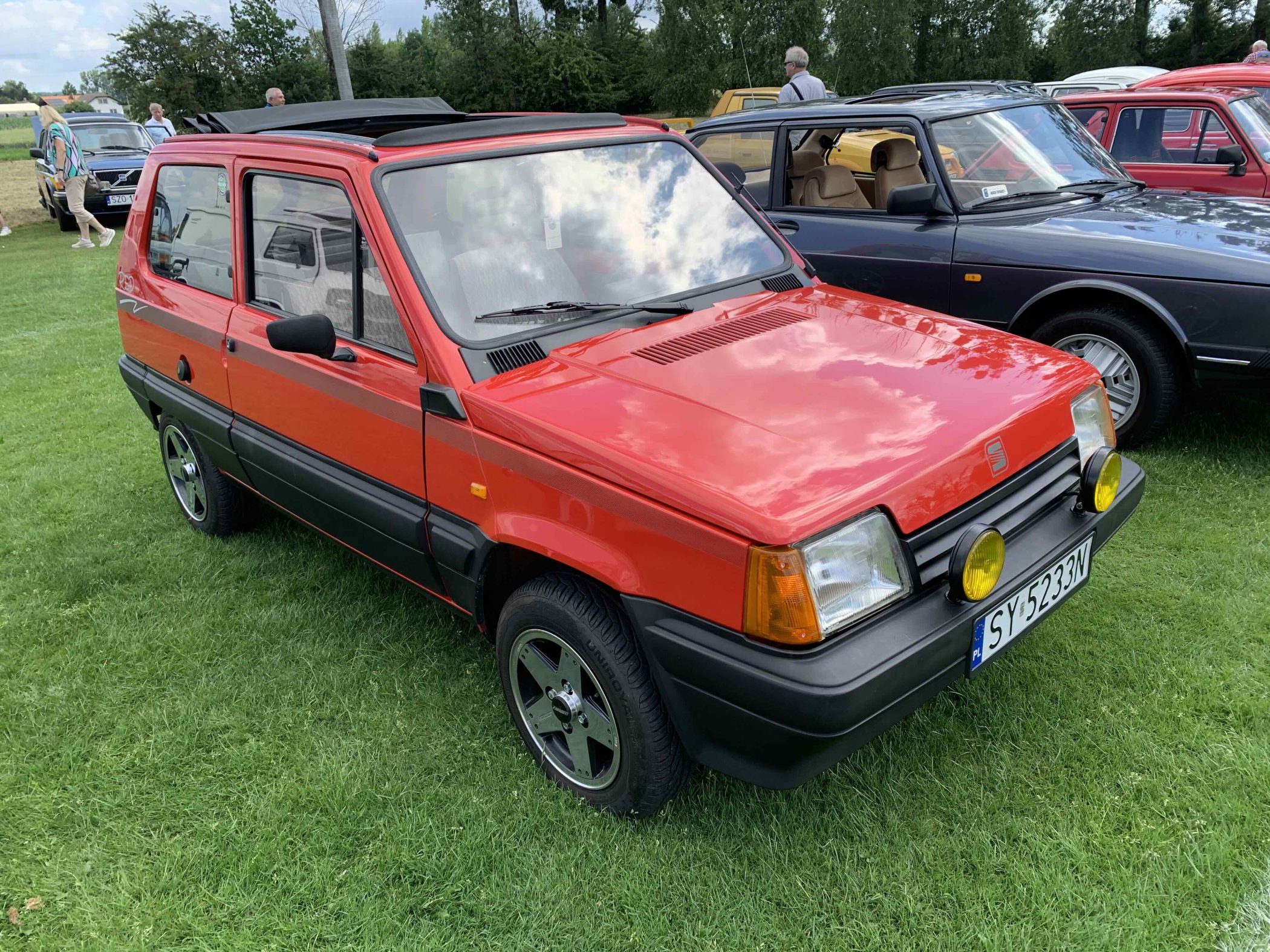
SEAT Marbella is a small city car produced in Spain between 1986 and 1998 by SEAT. It was the direct successor to the SEAT Panda, which itself was based on the Fiat Panda.
The Marbella was created during a transitional period—after SEAT ended its cooperation with Fiat, but before it fully integrated into the Volkswagen Group. That’s why the car combines Italian simplicity with Spanish production.
History of the SEAT Marbella
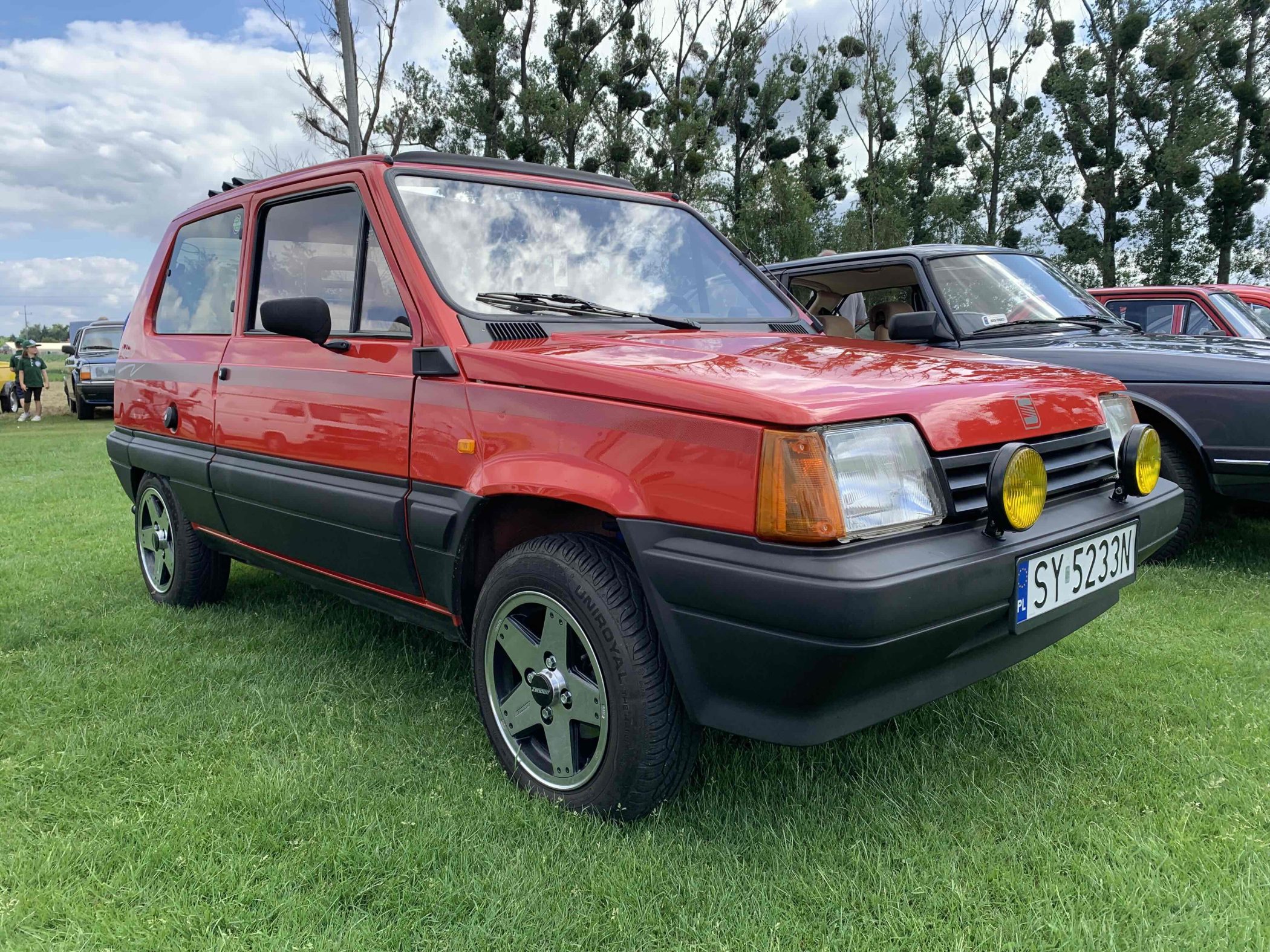
Production of the Marbella began in 1986 as an updated version of the older Panda. The changes were mostly cosmetic:
-
redesigned front end and interior
-
new branding
-
minor technical improvements
The car remained in production until 1998, making it one of the longest-produced vehicles based on a 1970s design.
It’s also worth noting a commercial variant:
-
SEAT Terra – a small van based on the Marbella
SEAT Marbella – technical specifications
🔧 Engines:
-
0.8 petrol – approx. 34 hp
-
0.9 petrol – approx. 40 hp
-
1.3 petrol – up to 48 hp
Key data:
-
drivetrain: front-wheel drive
-
transmission: 4- or 5-speed manual
-
curb weight: approx. 680–750 kg
-
top speed: ~130–140 km/h
-
0–100 km/h: ~20–25 seconds
-
fuel consumption: ~5–7 L/100 km
Interesting facts about the SEAT Marbella
-
One of the last SEAT models directly derived from Fiat designs
-
Produced alongside more modern cars like the SEAT Ibiza
-
Extremely popular in Spain as a cheap car for young drivers and small businesses
-
Known for its very simple and easy-to-repair mechanics
-
Used in some countries as a delivery vehicle, service car, and even by police
SEAT Marbella prices – how much is it today?
Today, the SEAT Marbella is a niche vehicle but still available on the used market.
Estimated prices (2026):
-
project cars / restoration: €500 – €1,200
-
running condition: €1,200 – €2,500
-
well-kept / collector condition: €2,500 – €3,500
Prices depend mainly on:
-
body condition (rust is the biggest issue)
-
originality
-
vehicle history
Pros and cons of the SEAT Marbella
Pros:
-
very simple construction
-
cheap parts and maintenance
-
low fuel consumption
-
lightweight and agile in the city
Cons:
-
very poor performance
-
low safety level
-
prone to rust
-
minimal equipment
Summary – is the SEAT Marbella worth buying?
SEAT Marbella is a car for people looking for:
-
a cheap classic
-
a simple city car
-
a practical vehicle from the 1980s/90s
It’s not for everyone—it requires accepting its limitations in performance and comfort. However, as a quirky youngtimer or budget classic, it can still be a fun and საინტერესო choice.