
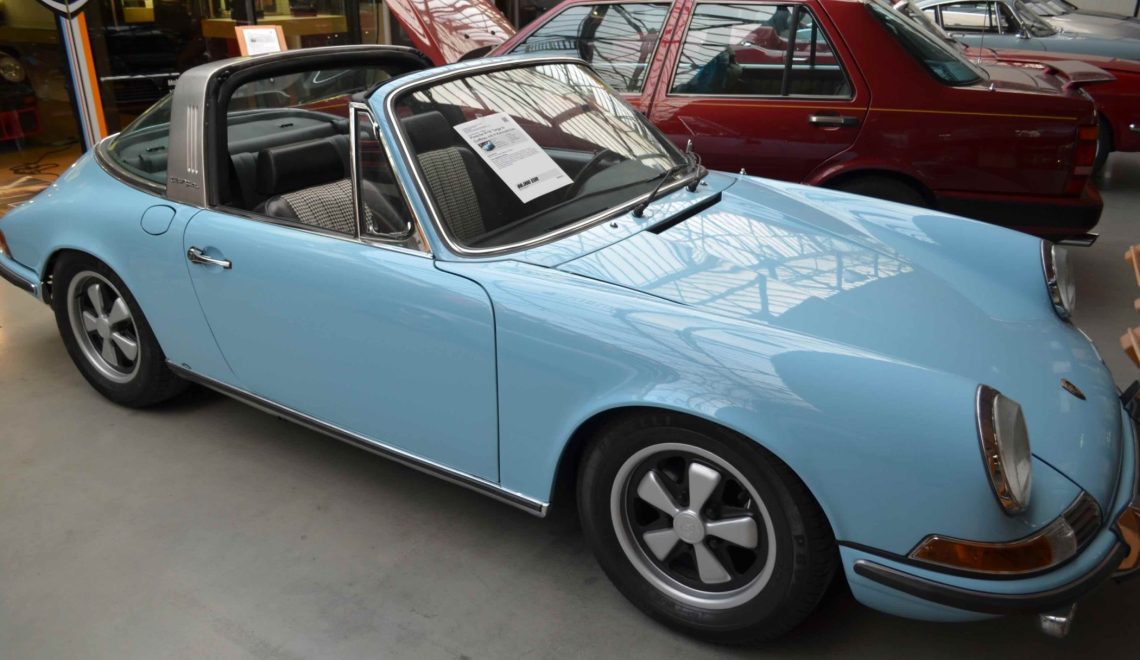
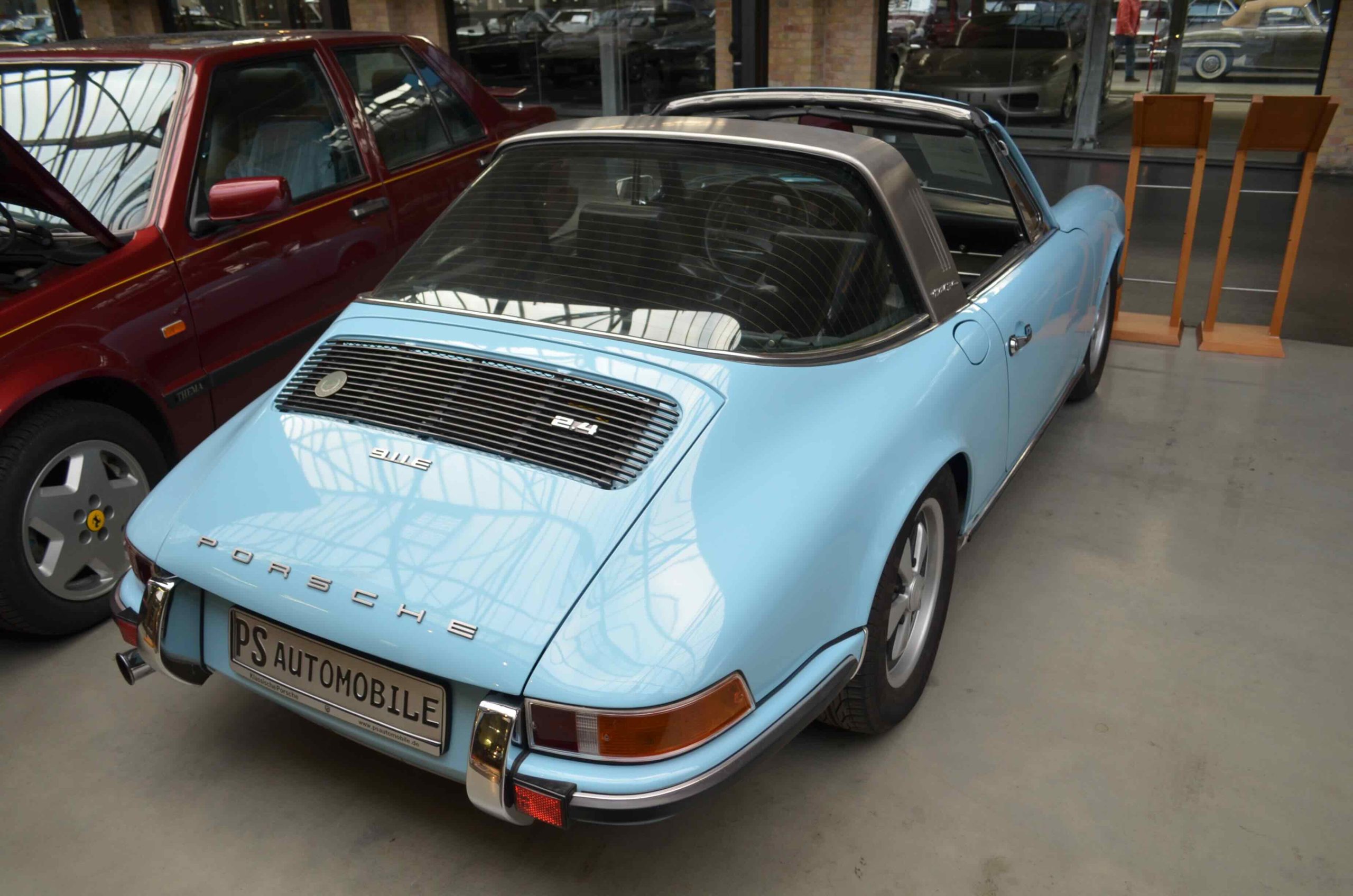
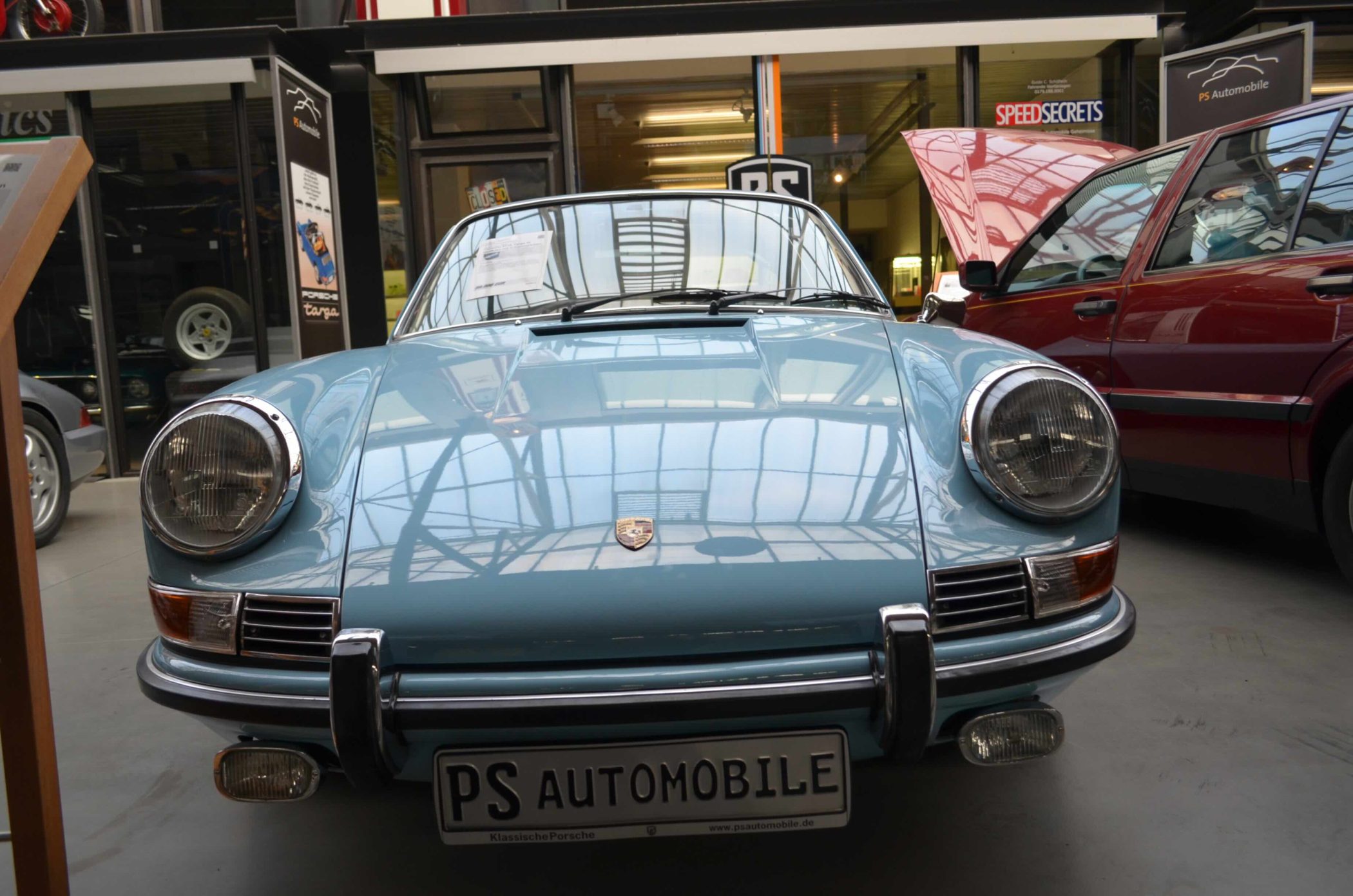
Porsche 911 E Targa z 1972 roku to jeden z najbardziej charakterystycznych wariantów klasycznej „jedenastki”. Łączy w sobie sportowy charakter, elegancję nadwozia typu Targa oraz dopracowaną mechanikę, która na początku lat 70. wyznaczała standardy w segmencie samochodów sportowych. Dziś jest to model szczególnie ceniony przez kolekcjonerów i miłośników klasycznej motoryzacji.
Porsche 911 E – miejsce w gamie modelowej
W 1972 roku gama Porsche 911 była wyraźnie zróżnicowana. Model 911 E (Einspritzung) plasował się pomiędzy podstawowym 911 T a topowym 911 S. Wersja „E” była kompromisem pomiędzy komfortem codziennej jazdy a sportowymi osiągami.
Wariant Targa dodatkowo podnosił prestiż modelu, oferując możliwość jazdy z otwartym dachem przy zachowaniu wysokiego poziomu bezpieczeństwa – dzięki charakterystycznemu, stalowemu pałąkowi.
Nadwozie Targa – bezpieczeństwo i styl
Porsche wprowadziło nadwozie Targa jako odpowiedź na obawy dotyczące bezpieczeństwa kabrioletów. W 911 E Targa z 1972 roku zastosowano:
-
stały pałąk przeciwkapotażowy
-
zdejmowany panel dachowy
-
tylną szybę (w zależności od wersji – szklaną lub z tworzywa)
Dzięki temu samochód łączył wrażenia z jazdy kabrioletem z solidnością klasycznego coupé. Sylwetka Targi do dziś uznawana jest za jedną z najbardziej rozpoznawalnych w historii Porsche.
Silnik 2.4 – serce klasycznego 911
W roku modelowym 1972 Porsche powiększyło pojemność silników do 2341 cm³, co znacząco poprawiło elastyczność i osiągi.
Dane techniczne Porsche 911 E Targa (1972):
-
silnik: 6-cylindrowy bokser, chłodzony powietrzem
-
pojemność: 2341 cm³
-
moc maksymalna: 165 KM
-
zasilanie: mechaniczny wtrysk paliwa Bosch
-
napęd: na tylną oś
-
skrzynia biegów: manualna, 5-biegowa
Silnik typu bokser zapewniał niski środek ciężkości, co bezpośrednio przekładało się na doskonałe prowadzenie – cechę, z której Porsche 911 słynie od dekad.
Wrażenia z jazdy i charakter auta
Porsche 911 E Targa z 1972 roku to samochód, który oferuje czyste, analogowe doznania z jazdy. Brak elektronicznych wspomagaczy sprawia, że kierowca ma pełną kontrolę nad autem.
Najważniejsze cechy prowadzenia:
-
precyzyjny układ kierowniczy
-
charakterystyczna nadsterowność przy dynamicznej jeździe
-
świetna reakcja silnika na gaz
-
wyjątkowe brzmienie powietrznie chłodzonego boksera
To samochód, który wymaga umiejętności, ale jednocześnie nagradza kierowcę autentycznymi emocjami.

Wnętrze – klasyczna prostota Porsche
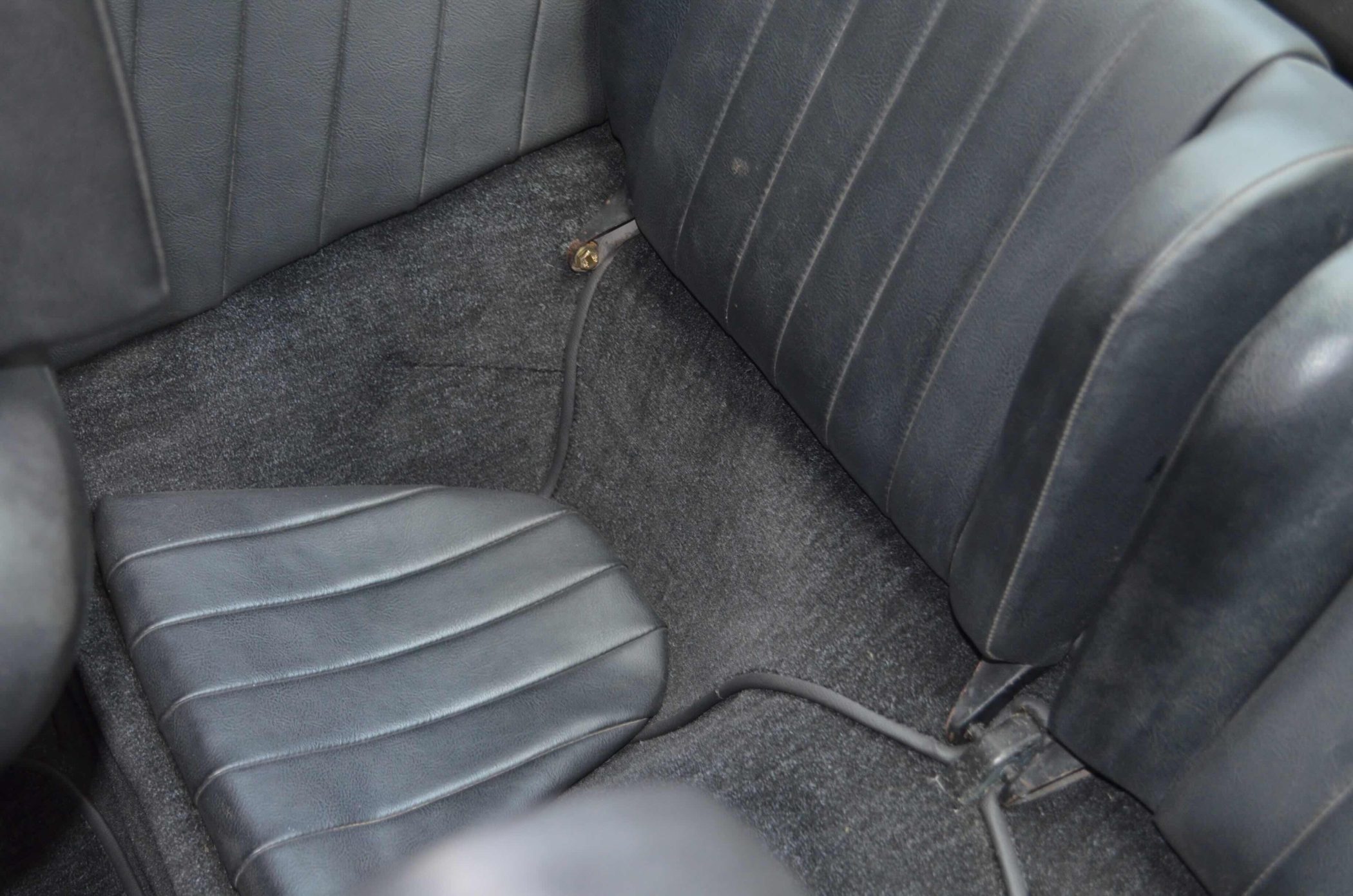
Kabina 911 E Targa z początku lat 70. to przykład funkcjonalnego minimalizmu. Dominują:
-
pięć klasycznych zegarów
-
cienka kierownica o sportowym charakterze
-
niskie, kubełkowe fotele
-
wysoka jakość materiałów
Wnętrze podporządkowano kierowcy, co idealnie wpisuje się w filozofię Porsche.
Porsche 911 E Targa jako samochód kolekcjonerski
Dziś Porsche 911 E Targa z 1972 roku jest bardzo poszukiwanym klasykiem. Szczególnie cenione są egzemplarze:
-
z oryginalnym silnikiem i wtryskiem
-
w fabrycznej specyfikacji
-
z udokumentowaną historią
-
po profesjonalnej renowacji lub w stanie „matching numbers”
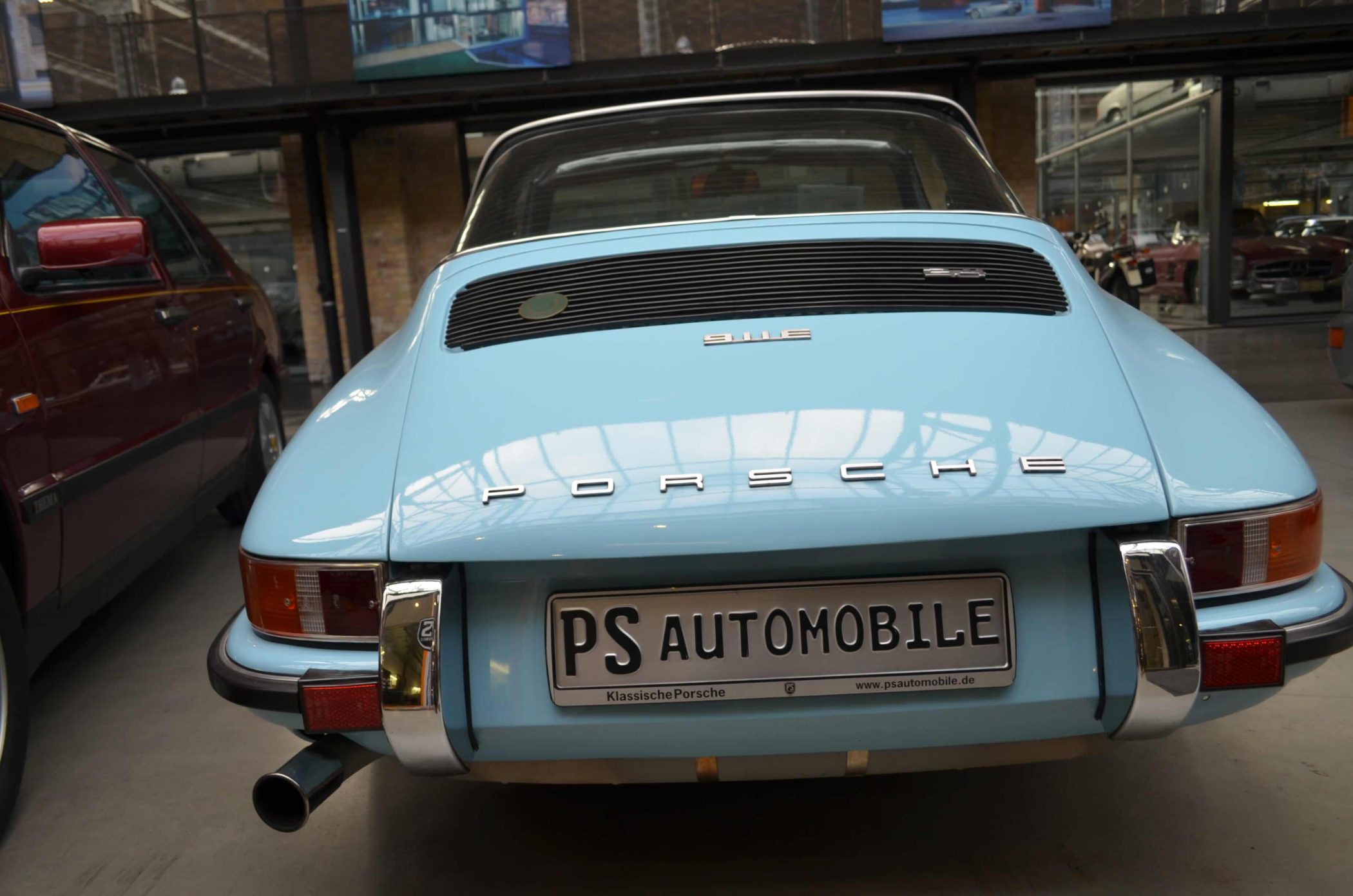
Rok 1972 jest wyjątkowy również z powodu charakterystycznego zewnętrznego wlewu oleju, który występował tylko w tym jednym roczniku.
Wartość Porsche 911 E Targa 1972 – stan obecny (2025)
Skoro w 2014 roku auto było wyceniane na 69 000 euro, to dziś jego wartość rynkowa wygląda następująco:
Aktualne widełki cenowe:
-
120 000 – 140 000 euro → egzemplarz dobry, sprawny, ale nieidealny
-
140 000 – 165 000 euro → bardzo dobry stan, zgodność numerów, dobra historia
-
170 000 – 190 000 euro → egzemplarz kolekcjonerski, po renowacji, „matching numbers”
👉 Oznacza to wzrost wartości o ok. 75–120% względem 2014 roku.
Podsumowanie
Porsche 911 E Targa 1972 to samochód, który doskonale łączy sportowy charakter, elegancję i historyczne znaczenie. Silnik o mocy 165 KM, klasyczne nadwozie Targa oraz analogowe wrażenia z jazdy sprawiają, że jest to jeden z najbardziej pożądanych wariantów klasycznej „jedenastki”.
Dla kolekcjonera to nie tylko inwestycja, ale przede wszystkim emocjonalna podróż do złotej ery motoryzacji.
Porsche 911 E Targa 1972 — a classic icon of sports motoring
The Porsche 911 E Targa from 1972 is one of the most distinctive variants of the classic “nine-eleven.” It combines a sporting character, the elegance of the Targa body, and thoroughly engineered mechanics that set standards in the early 1970s. Today it’s highly prized by collectors and enthusiasts of classic motoring.

The 911 E’s place in the model range
In 1972 the Porsche 911 lineup was clearly differentiated. The 911 E (Einspritzung) sat between the base 911 T and the top-of-the-line 911 S. The E version offered a compromise between everyday drivability and genuine sporting performance.
The Targa variant raised the car’s prestige further by delivering the open-air experience of a convertible while keeping structural safety thanks to the car’s distinctive roll bar.
The Targa body — safety and style
Porsche introduced the Targa body as an answer to safety concerns around convertibles. The 1972 911 E Targa featured:
-
a fixed anti-roll bar (the Targa hoop)
-
a removable roof panel
-
a rear window that could be either glass or plastic depending on specification
This solution combined the feel of an open car with the solidity of a coupe. The Targa silhouette remains one of Porsche’s most recognizable and beloved designs.
The 2.4 engine — the heart of the classic 911
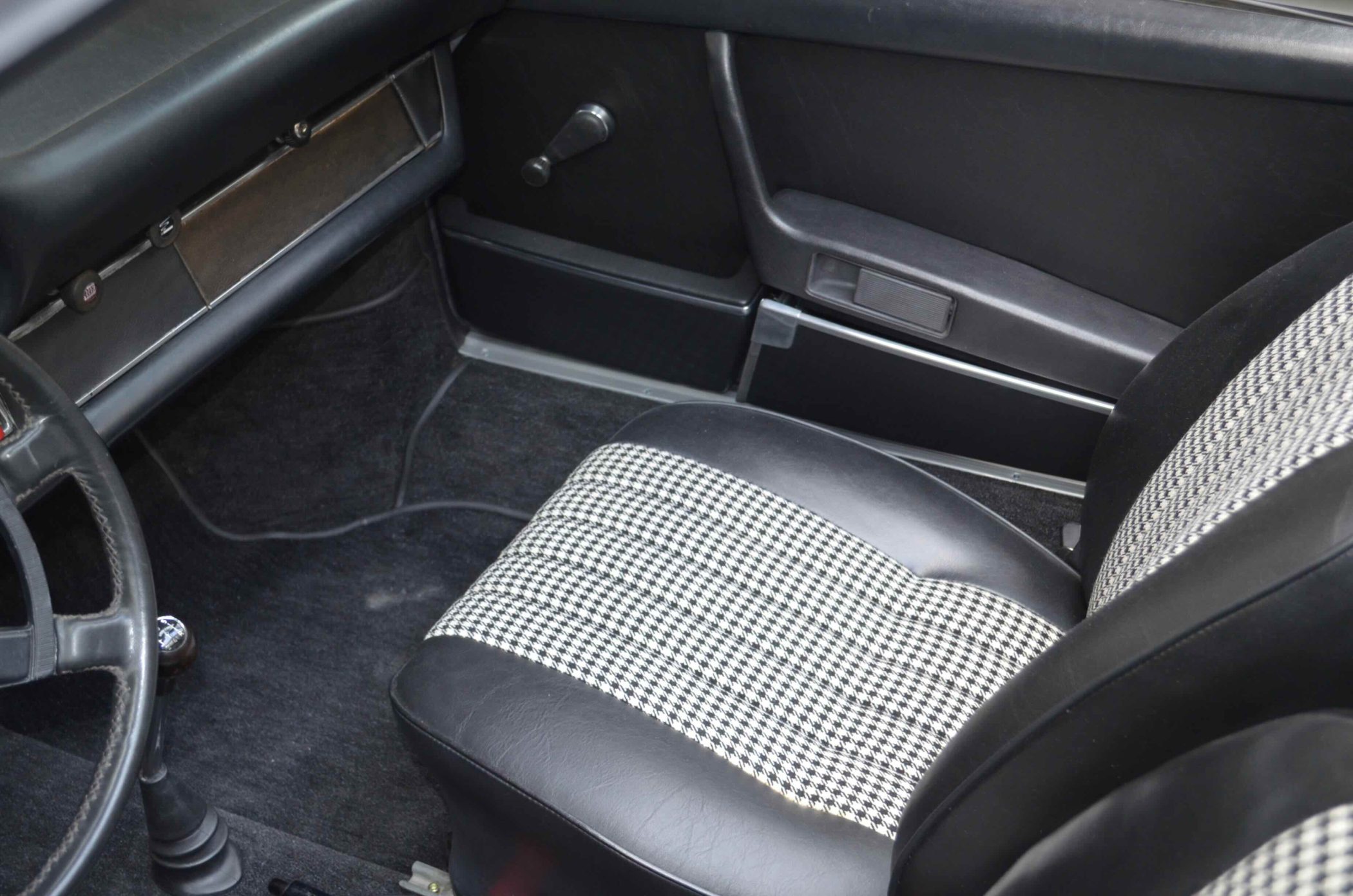
For the 1972 model year Porsche increased engine capacity to 2341 cm³, improving flexibility and performance.
Technical data — Porsche 911 E Targa (1972)
-
engine: 6-cylinder flat (boxer), air-cooled
-
displacement: 2341 cm³
-
power: 165 HP
-
fueling: mechanical fuel injection (Bosch)
-
drive: rear-wheel drive
-
gearbox: 5-speed manual
The boxer layout gives a low center of gravity, directly contributing to the excellent handling that has defined the 911 for decades.

Driving impressions and character
The 1972 Porsche 911 E Targa offers pure, analogue driving sensations. Without electronic aids, the driver is fully involved.
Key driving traits:
-
precise steering feel
-
characteristic rear-axle lively behavior under hard cornering
-
immediate throttle response
-
unique note of an air-cooled boxer engine
This car demands skill, and in return it rewards the driver with authentic emotions and direct feedback.
Interior — classic simplicity
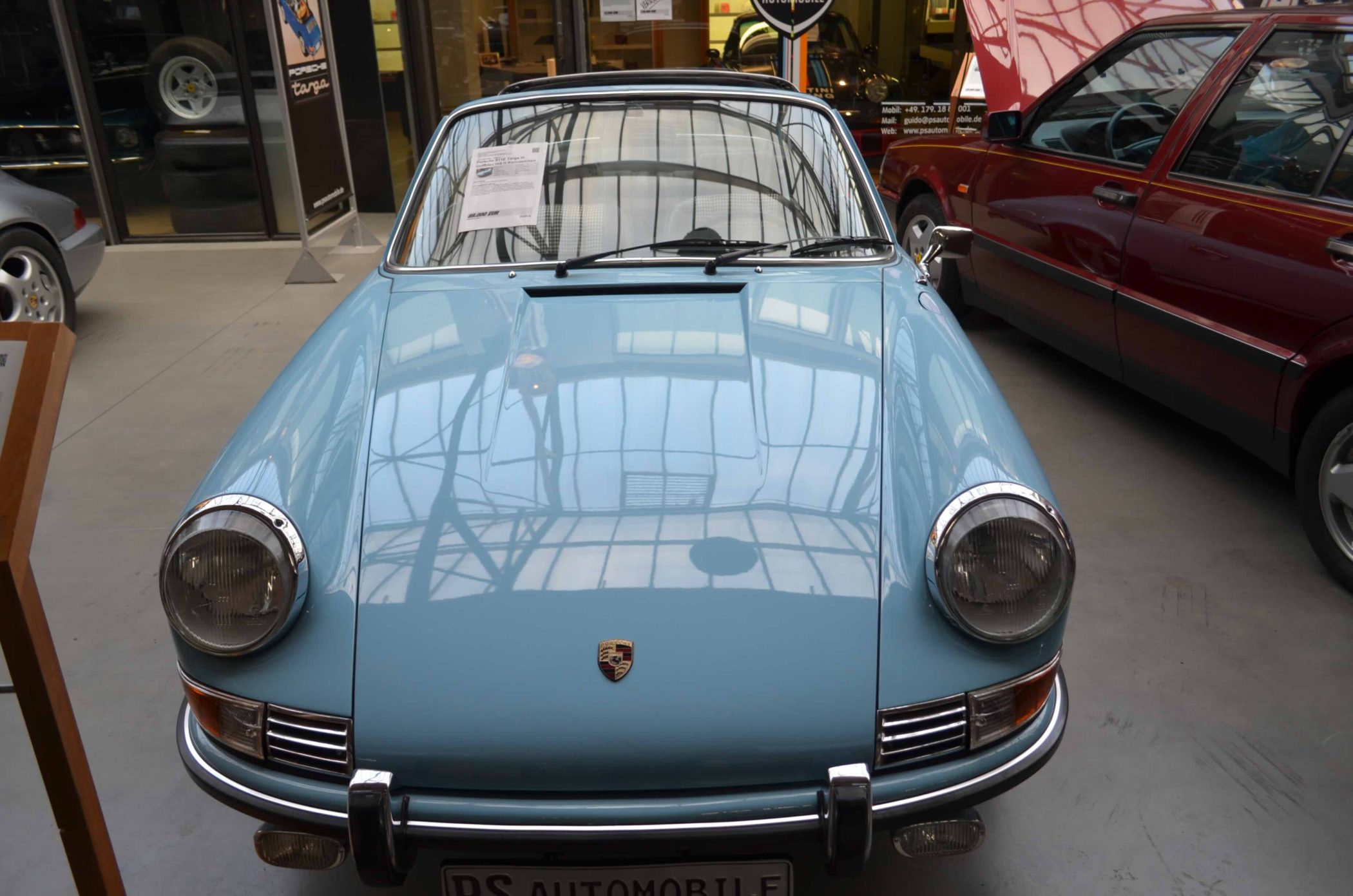
The early-1970s 911 E Targa cabin is a study in functional minimalism. Typical features include:
-
five classic round gauges dominating the dashboard
-
a thin, sporty steering wheel
-
low, supportive bucket seats
-
high-quality materials and driver-focused ergonomics
The interior design prioritizes the driver — a core element of Porsche’s philosophy.
Porsche 911 E Targa as a collector car
Today the Porsche 911 E Targa (1972) is a sought-after classic. Especially valued are examples that feature:
-
original engine and injection system
-
factory specification and original paint/interior
-
full documented history
-
professional restoration or “matching numbers” condition
The 1972 model year is notable for the external oil filler — a detail unique to that year which increases desirability among collectors.
Value of the Porsche 911 E Targa 1972 — current market (2025)
Since the car was valued at €69,000 in 2014, its market value today looks like this:
Current price ranges:
-
€120,000 – €140,000 → good, running example but not perfect
-
€140,000 – €165,000 → very good condition, matching numbers, good history
-
€170,000 – €190,000 → collector-grade example, restored, “matching numbers”
👉 This represents an increase in value of approximately 75–120% compared to 2014.
What raises or lowers the value of a given example?
Factors that increase value:
-
genuine “matching numbers” (engine, gearbox, body)
-
original Bosch MFI mechanical injection
-
factory colors and interior trim
-
complete documentation and known history
-
professional, sympathetic restoration or excellent original condition
Factors that decrease value:
-
engine swaps or loss of the original injection system
-
non-factory modifications that detract from originality
-
chassis or body corrosion
-
missing or uncertain documentation
Summary
The Porsche 911 E Targa 1972 merges sporting DNA, Targa elegance, and historical significance. With a 165 HP 2.4-litre engine, iconic Targa styling, and direct driving character, it remains one of the most desirable variants of the classic 911. For collectors it is not only a driving experience but also a long-term investment — as shown by the strong price growth since 2014.